Latent Minds for Wolfdog Owners
WOLFDOG TRAINING & COGNITIVE DEVELOPMENT
Understanding the wolfdog in front of you.
Wolfdog owners often arrive looking for training advice, but the questions reach into everyday life: bonding, environmental sensitivity, independence, social interactions and the experiences shaping behavior at home.
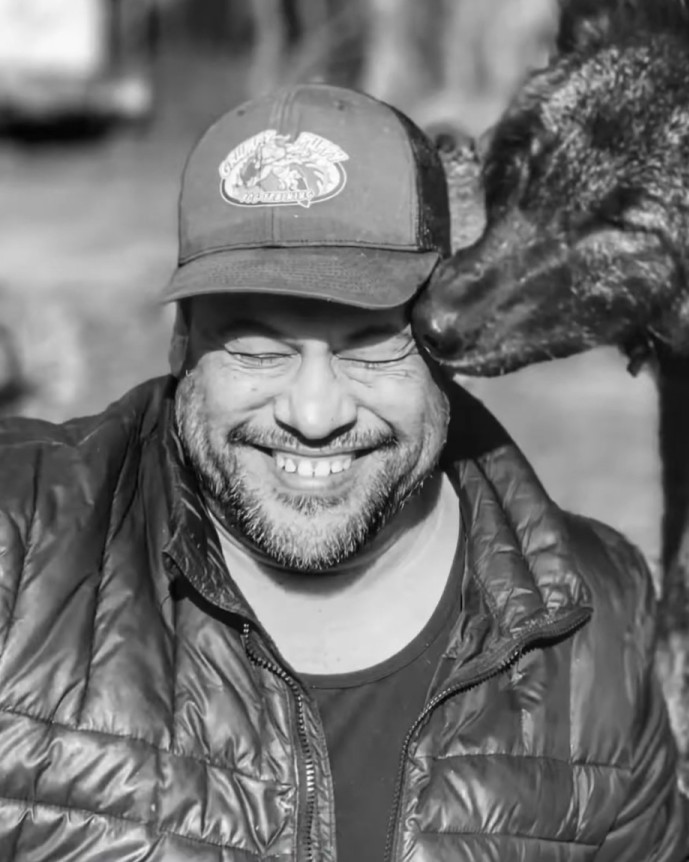
Latent Minds brings those questions into the Canine Cognitive Development Program. Tony Nila’s approach focuses on observation, emotional regulation, spatial awareness, relationships and independent decision-making. The starting point is your individual animal, its developmental history and its current needs.
A FOUNDATION FOR THINKING AND UNDERSTANDING
Wolfdogs vary in genetic background, temperament and developmental readiness. A useful starting point is observing how your wolfdog explores, responds to novelty, engages with people and animals, and recovers after excitement. The Latent Minds framework uses those observations to guide the learning environment and the sequence of developmental work.
01
Bond and communication
Understand interaction, space and expectations.
02
Emotional regulation
Pace and intensity, and the ability to process.
03
Environmental awareness
Observation and exploration in an appropriate, secure environment.
04
Independent decisions
A sequential curriculum guided by individual readiness.
RAISING A WOLFDOG PUPPY
The move from breeder and litter to a new home changes a puppy’s familiar relationships and environment. The program begins with bonding, home setup, predictable interaction and observation. The next step follows the puppy’s readiness and the curriculum’s sequence.
The Guide
A GUIDE TO THE QUESTIONS WOLFDOG OWNERS ASK
Temperament and individuality
Begin with actual responses and history. Genetic background provides context; individual behavior and readiness guide the pace.
Social exposure and new environments
Latent Minds emphasizes quality and timing. Observe whether the animal can remain aware, process the experience and recover; emotional readiness guides progression.
Stimulation and Twin Behaviors
Repeated interactions can shape expectations before a problem is noticed. The book explores earlier links: stimulation, chasing, reward dependency, containment, environmental and social experience. The Twin Behavior Scan offers an unscored way to look for potential connections in this framework.
Boundaries, home setup and containment
Examine how space, access and interaction are understood. Appropriate secure containment and supervision remain part of responsible wolfdog care; developmental work fits the animal's situation.
Existing behavior concerns
For an older wolfdog or an established concern, begin with an Initial Consultation. Tony reviews goals, history and suitable support; progress and program suitability depend on individual review. Request an Initial Consultation.
Education
WOLFDOG EDUCATION AND VIDEO RESOURCES
Explore Tony’s educational video series for a closer look at the developmental approach, then return to the book and the sequential program for context. Bring application questions about your own wolfdog to an Initial Consultation.
Wolfdog Education
WOLFDOG ARTICLES.
Five complete articles by Tony Nila — full readings on training approaches, raising a puppy, behavior problems, and life with a wolfdog.
01
Wolfdog Training vs. Traditional Dog Training
Why reward-and-command training often frustrates wolfdogs, and how a cognitive development approach works with their nature instead.
Read Article02
How to Raise a Wolfdog Puppy
The early development period, bonding, calm structure and boundaries that shape a stable adult wolfdog.
Read Article03
Understanding Wolfdog Behavior Problems
Why common wolfdog behavior issues usually stem from developmental and environmental factors, not stubbornness.
Read Article04
Are Wolfdogs Good Pets?
What a wolfdog is, how they differ from domestic dogs, the common challenges, and who they suit.
Read Article05
Do Wolfdogs Make Good Family Pets?
Social bonds, sensitivity, children and supervision, and what makes a household suitable for a wolfdog.
Read ArticleTHE BOOK BEHIND THE PROGRAM
Latent Minds: The Cognitive Revolution in Canine Learning by Tony Nila, Nila Press, provides the intellectual foundation for the Canine Cognitive Development Program.
Explore the BookTALK ABOUT YOUR WOLFDOG.
Whether you are preparing for a puppy or seeking help with your current wolfdog, the Initial Consultation is the place to discuss your situation, goals and next steps.